


How to Create an Email List for Marketing
Creating an email list for marketing is a foundational step for any business aiming to establish direct, meaningful communication with its audience. It involves strategically attracting potential customers, offering genuine value in exchange for their contact information, and setting up systems to manage and nurture these relationships. A well-built email list serves as a powerful asset, enabling targeted outreach, fostering loyalty, and driving conversions in a way that few other marketing channels can match.
Why an Email List is Your Most Valuable Marketing Asset
In an era dominated by ever-changing social media algorithms and rising ad costs, the humble email list remains a steadfast, high-performing marketing channel. Its enduring power lies in its directness, ownership, and unparalleled return on investment (ROI).
Direct Communication Channel
Unlike social media platforms where your reach is dictated by algorithms, an email list provides a direct line of communication to your audience. When someone subscribes, they are actively inviting you into their inbox, signaling a genuine interest in what you have to offer. This direct access means your messages are more likely to be seen and engaged with, bypassing the noise and competition of other digital spaces.
Exceptional Return on Investment (ROI)
Email marketing consistently delivers one of the highest ROIs of any marketing activity, often cited at $42 for every $1 spent. This efficiency comes from the ability to deliver personalized content, promote products and services directly, and nurture leads through an automated, scalable process. With an engaged list, you're communicating with individuals who have already shown interest, making them far more receptive to your marketing messages.
Ownership of Your Audience Data
When you build an email list, you own that data. You're not subject to the whims of third-party platforms that can change their rules, reduce your reach, or even disappear overnight. This ownership grants you control over your marketing destiny, allowing you to segment, personalize, and communicate with your audience without external interference.
Enabling Personalization and Segmentation
Modern email marketing platforms, including Postigo, allow for sophisticated segmentation of your list based on demographics, behavior, purchase history, and engagement levels. This means you can send highly personalized messages that resonate deeply with specific segments of your audience, increasing relevance and driving better results. Personalization moves beyond just using a subscriber's first name; it's about delivering the right message to the right person at the right time.
Fostering Long-Term Customer Relationships
An email list is not just for one-off promotions; it's a tool for building lasting relationships. Through consistent, valuable communication, you can educate your audience, establish authority, build trust, and ultimately convert subscribers into loyal customers and even brand advocates. It's about nurturing leads through their entire customer journey, from initial interest to repeat purchases and beyond.
Pre-List Building Essentials: Laying the Groundwork
Before you dive into collecting email addresses, a strategic foundation will ensure your efforts are efficient and effective. This involves understanding your audience, selecting the right tools, and ensuring compliance with legal standards.
Define Your Audience and Goals
Who are you trying to reach, and what do you want them to do? Clarity on these two points will guide every aspect of your list-building strategy.
- Who is your ideal subscriber? Create detailed buyer personas. Understand their demographics, psychographics, pain points, aspirations, and where they spend their time online.
- What are your primary goals? Are you looking to generate leads for sales, drive traffic to your content, promote specific products, or build a community? Your goals will influence the types of incentives you offer and the content you share.
For example, a SaaS company might aim to collect emails for free trial sign-ups, while a blogger might focus on growing readership for their latest articles.
Choose Your Email Marketing Platform (ESP)
Your Email Service Provider (ESP) is the engine behind your email marketing efforts. It handles everything from collecting subscribers and managing lists to sending emails, tracking performance, and automating campaigns. Postigo, for instance, offers robust features for building, managing, and engaging your email list with advanced automation and personalization capabilities.
When selecting an ESP, consider:
- Ease of Use: Is it intuitive for creating forms, managing lists, and designing emails?
- Segmentation & Personalization: Does it allow for advanced list segmentation and dynamic content?
- Automation: Can you set up welcome sequences, drip campaigns, and re-engagement flows?
- Deliverability: What is their reputation for ensuring emails land in the inbox, not the spam folder?
- Analytics & Reporting: Does it provide comprehensive insights into your campaign performance?
- Integrations: Does it integrate with your CRM, CMS, e-commerce platform, or other tools?
- Pricing: Does it fit your budget as your list grows?
Understand Legal Requirements (GDPR, CAN-SPAM, CASL)
Collecting email addresses comes with legal responsibilities. Ignoring these can lead to hefty fines and damage your brand's reputation. The key regulations to be aware of include:
- GDPR (General Data Protection Regulation): Applies to anyone processing data of EU citizens. Requires explicit consent, clear privacy policies, and the right for individuals to access, rectify, or erase their data.
- CAN-SPAM Act (Controlling the Assault of Non-Solicited Pornography And Marketing Act): A U.S. law setting rules for commercial email, requiring clear identification of the sender, an accurate subject line, and an easy opt-out mechanism.
- CASL (Canada's Anti-Spam Legislation): Similar to GDPR, requiring consent for commercial electronic messages sent to or from Canada.
The safest approach is to assume global compliance, which generally means:
- Obtain explicit consent (e.g., through an unchecked box).
- Clearly state what subscribers will receive.
- Provide an easy unsubscribe link in every email.
- Include your physical address in every email.
- Have a clear privacy policy accessible from your signup forms.
Here's a quick comparison of key aspects:
| Feature | GDPR (EU) | CAN-SPAM (US) | CASL (Canada) |
|---|---|---|---|
| Consent Type | Explicit, opt-in (no pre-checked boxes) | Implied consent (opt-out available) | Express or Implied consent |
| Opt-Out Mechanism | Mandatory, easy to use | Mandatory, functional for 30 days | Mandatory, easy to use |
| Sender ID | Clear, identifiable | Accurate "From" & "Reply-To" | Clear, identifiable |
| Physical Address | Recommended / Implied for transparency | Mandatory | Mandatory |
| Privacy Policy | Mandatory to inform users | Not explicitly required but good practice | Mandatory to inform users |
| Fines | Significant (up to €20M or 4% of global turnover) | Up to $50,120 per email | Up to CA$10M |
Core Strategies for Building Your Email List
With the groundwork laid, it's time to implement practical strategies for attracting subscribers. The core principle here is offering value in exchange for an email address.
Offer Irresistible Incentives (Lead Magnets)
A "lead magnet" is something of value that you offer to potential subscribers in exchange for their email address. It should solve a specific problem, provide a quick win, or offer exclusive access that is highly relevant to your target audience. A strong lead magnet significantly boosts conversion rates on your signup forms.
Types of Effective Lead Magnets:
- Ebooks or Guides: In-depth content on a topic relevant to your niche.
- Checklists or Templates: Practical tools that simplify a process (e.g., "SEO Audit Checklist," "Social Media Content Calendar Template").
- Webinars or Masterclasses: Live or pre-recorded educational sessions.
- Exclusive Content: Access to a members-only area, a private podcast, or premium articles.
- Discounts or Free Shipping: Especially effective for e-commerce businesses.
- Free Trials or Demos: Common for SaaS companies.
- Quizzes or Assessments: Interactive tools that provide personalized results.
- Case Studies or Whitepapers: Proof of concept and in-depth research for B2B audiences.
"The best lead magnets don't just provide information; they provide transformation. They help your audience move from a problem state to a solution state, however small that step may be." - Marketing Expert Quote
When creating a lead magnet:
- Solve a specific problem: It should address a clear pain point your audience experiences.
- Be instantly accessible: Deliver it immediately after signup.
- Demonstrate your expertise: Showcase your knowledge and build trust.
- Be high-value, low-cost: Offer significant perceived value without costing you too much to produce.
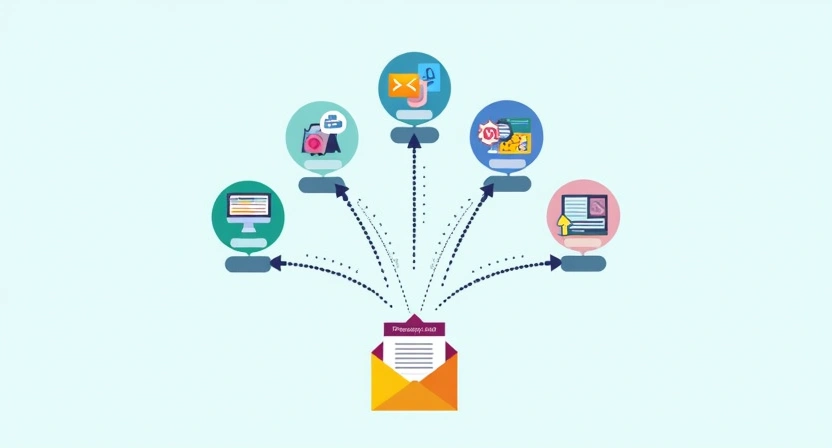
Optimize Your Website for Sign-ups
Your website is often the first point of contact for potential subscribers. Optimize it with various sign-up opportunities.
1. Pop-up Forms
These are highly effective when used strategically. Different types include:
- Exit-Intent Pop-ups: Appear when a user is about to leave your site.
- Time-Based Pop-ups: Appear after a certain amount of time on a page.
- Scroll-Based Pop-ups: Appear after a user scrolls a certain percentage down a page.
Best practices for pop-ups:
- Offer a clear, compelling lead magnet.
- Make it easy to close the pop-up.
- Don't show it too frequently to the same user.
- Ensure it's mobile-responsive and doesn't hinder user experience (Google penalizes intrusive mobile pop-ups).
2. Inline Forms
Integrate signup forms directly within your website content where they make natural sense.
- Blog Post Forms: Embed forms within relevant blog posts, especially after the introduction or before the conclusion, often promoting a content upgrade related to the post.
- Footer Forms: A standard placement, though often less prominent.
- Sidebar Forms: On desktop, these can be effective, especially if sticky.
3. Dedicated Landing Pages
Create specific, conversion-focused landing pages for your lead magnets. These pages should:
- Have a single, clear call to action (CTA).
- Minimize distractions (no navigation menu).
- Clearly explain the value of the lead magnet.
- Include compelling headlines, benefit-oriented copy, and social proof (if applicable).
For more on landing page optimization, read our guide: Landing Page Optimization for Conversions.
4. Hello Bars / Sticky Bars
These are thin banners that stick to the top or bottom of your website as users scroll. They are less intrusive than pop-ups but remain visible, offering a persistent call to action for your email list.
5. Squeeze Pages
A specialized type of landing page with minimal text, a strong headline, and a single goal: to capture an email address. Often used for high-value offers where immediate sign-up is the priority.
Key elements for all forms:
- Clear, benefit-driven headline: What will the subscriber gain?
- Concise copy: Explain the offer quickly.
- Strong Call-to-Action (CTA): Use actionable language (e.g., "Download My Free Ebook," "Get Instant Access").
- Minimal fields: Often, just email is enough. Name is optional for personalization. More fields equal lower conversion rates.
- Privacy statement: Reassure users their data is safe and won't be spammed.
Leverage Content Marketing
Content marketing and email list building are symbiotic. High-quality content attracts visitors, and those visitors are then offered the chance to subscribe for more value.
- Content Upgrades: Offer a bonus piece of content directly related to a specific blog post in exchange for an email. For example, a blog post about "10 Email Subject Line Formulas" might offer a "50 Ready-to-Use Subject Line Templates" as an upgrade.
- Resource Libraries: Build a library of gated content (e.g., guides, templates, webinars) that requires email signup for access.
- Interactive Content: Quizzes, calculators, or tools that provide results via email.
Social Media Promotion
Promote your lead magnets and signup opportunities across your social media channels.
- Share Links: Regularly share direct links to your landing pages on platforms like LinkedIn, Facebook, X (Twitter), and Instagram (via bio link).
- Contests & Giveaways: Run social media contests where email signup is an entry requirement. Ensure prizes are relevant to your audience.
- Facebook Lead Ads: These ads allow users to sign up for your list directly within Facebook, pre-filling their contact information for a seamless experience.
- Dedicated Tabs/Buttons: Utilize features like Facebook Page call-to-action buttons that link directly to your signup form.
Offline Methods (if applicable)
Don't overlook traditional methods, especially if you interact with customers in person.
- In-Store Sign-ups: Use physical sign-up sheets or tablets at your retail location.
- Events and Workshops: Collect emails at conferences, trade shows, or local events. Always clearly state what they are signing up for.
- Business Cards: Include a call to action on your business cards to sign up for your newsletter or a specific offer.
Crucial Note for Offline: If you collect emails offline, ensure you follow up with a double opt-in confirmation email to verify consent and maintain compliance.
The Technical Side: Setting Up Your Opt-in Process
Once you have your strategies, you need to implement the technical mechanisms for capturing and confirming subscriptions.
Creating Forms with Your ESP
Your Email Service Provider (ESP) like Postigo will provide tools to create various types of signup forms:
- Embedded Forms: Generate HTML code to place directly on your website pages.
- Pop-up Forms: Many ESPs offer built-in pop-up builders or integrations with popular pop-up tools.
- Landing Page Builders: Create dedicated, hosted landing pages for your lead magnets.
Here's a simplified example of how an embedded form snippet might look (actual code will vary by ESP and customization options):
<form action="YOUR_POSTIGO_SUBMIT_URL" method="POST">
    <h3>Get Our Weekly Newsletter!</h3>
    <p>Exclusive tips, updates, and offers delivered straight to your inbox.</p>
    <label for="email">Email Address:</label>
    <input type="email" id="email" name="email" placeholder="you@example.com" required>
    <input type="submit" value="Subscribe Now">
    <p class="privacy-note">We respect your privacy. <a href="/en/privacy-policy/">Read our privacy policy.</a></p>
</form>
Remember to customize the form fields, styling, and action URL according to your ESP's instructions and your brand's aesthetic.
Double Opt-in vs. Single Opt-in
This is a critical decision that impacts list quality and legal compliance.
- Single Opt-in: A subscriber is added to your list immediately after filling out and submitting a form. It's quicker for the subscriber and can lead to higher initial signup rates.
- Double Opt-in: After submitting the form, the subscriber receives a confirmation email with a link they must click to verify their subscription. Only then are they added to your active list.
Recommendation: Always use Double Opt-in.
While single opt-in might seem appealing for its speed, double opt-in offers significant advantages:
- Higher Quality List: Ensures only genuinely interested subscribers are on your list, reducing bounces and spam complaints.
- Better Deliverability: ISPs see double opt-in as a strong indicator of consent, improving your sender reputation.
- Legal Compliance: Provides undeniable proof of consent, which is crucial for GDPR, CASL, and other regulations.
- Increased Engagement: Subscribers who take the extra step to confirm are typically more engaged.
Most ESPs, including Postigo, offer double opt-in as a standard or recommended feature. Configure this in your platform settings for each list or form.
Confirmation Pages and Welcome Sequences
The journey doesn't end after signup. What happens next is vital for setting expectations and engaging your new subscriber.
Confirmation Page (Thank You Page)
After a user submits a form, redirect them to a confirmation page. This page should:
- Thank them for subscribing.
- Inform them about the next steps (e.g., "Check your inbox to confirm your subscription" for double opt-in).
- Deliver the lead magnet (if applicable, or explain how it will be delivered).
- Optionally, suggest other relevant content, products, or social media channels.
Welcome Sequence
A well-crafted welcome email or a short series of welcome emails is crucial. This is your chance to make a great first impression and immediately deliver value.
A typical welcome sequence might include:
- Email 1 (Immediate): The Welcome & Lead Magnet Delivery. Thank them, deliver the promised lead magnet, briefly introduce your brand, and set expectations for future emails.
- Email 2 (Day 2-3): Share Your Best Content. Link to a popular blog post, a helpful guide, or a valuable resource.
- Email 3 (Day 4-5): Tell Your Story or Introduce Your Product/Service. Share your brand's mission, values, or a key product/service benefit, without being overly promotional.
- Email 4 (Day 6-7): Soft Offer/Call to Action. Gently encourage a deeper engagement, like a discount on a first purchase, a free consultation, or an invitation to follow on social media.
For detailed strategies on crafting effective welcome emails, see our blog post: Mastering the Art of Welcome Emails.
Maintaining a Healthy, Engaged Email List
Building a list is just the beginning. The real work lies in maintaining its health and keeping subscribers engaged to maximize its long-term value.
Segmentation is Key for Relevance
Sending generic emails to your entire list is a fast track to disengagement. Segmentation allows you to divide your list into smaller, more specific groups based on shared characteristics or behaviors.
Common segmentation criteria:
- Demographics: Location, age, gender (if collected).
- Acquisition Source: How they signed up (e.g., blog form, landing page, event).
- Engagement Level: Active (open and click regularly), occasional, inactive.
- Purchase History: Past purchases, total spend, products viewed.
- Behavioral Data: Website visits, content downloaded, links clicked in previous emails.
By segmenting, you can send highly relevant emails that resonate more deeply, leading to higher open rates, click-through rates, and conversions. For example, an e-commerce store could send product recommendations based on past purchases or browsing behavior.
Learn more about effective segmentation strategies here: Advanced Email List Segmentation Strategies.
Regular List Cleaning
Over time, email lists naturally accumulate inactive subscribers, invalid addresses, and spam traps. Regularly cleaning your list is essential for:
- Improved Deliverability: Reduces bounce rates and spam complaints, signaling to ISPs that you're a reputable sender.
- Better Analytics: Provides a more accurate picture of your engagement metrics.
- Reduced Costs: Most ESPs charge based on list size, so removing unengaged subscribers saves money.
Strategies for cleaning:
- Re-engagement Campaigns: Send a series of emails to inactive subscribers, offering them one last chance to stay subscribed with a special offer or updated content.
- Remove Non-Engagers: If re-engagement fails, remove subscribers who haven't opened or clicked an email in 6-12 months.
- Bounce Management: Your ESP should automatically handle hard bounces (permanently undeliverable addresses). Regularly review and remove soft bounces that persist.
Consistent Value Delivery
Your subscribers opted in for a reason – continue to provide that value. Don't just sell; educate, entertain, and inform.
- Provide exclusive content: Give your email subscribers content they can't find anywhere else.
- Share insights: Offer expert advice, industry trends, or useful tips.
- Solve problems: Address common pain points with practical solutions.
- Be consistent: Establish a sending rhythm (weekly, bi-weekly) and stick to it.
Analyzing Performance
Data is your friend. Regularly review your email marketing metrics to understand what's working and what isn't.
- Open Rate: Percentage of subscribers who open your email. (Indicates subject line effectiveness and sender reputation).
- Click-Through Rate (CTR): Percentage of openers who click a link in your email. (Indicates email content relevance and CTA strength).
- Conversion Rate: Percentage of subscribers who complete a desired action (e.g., purchase, download) after clicking.
- Unsubscribe Rate: Percentage of subscribers who opt-out. High rates indicate content misalignment or over-emailing.
- Bounce Rate: Percentage of emails that couldn't be delivered.
- Spam Complaint Rate: Percentage of recipients who mark your email as spam. High rates are very damaging to sender reputation.
Use these insights to refine your content, segmentation, subject lines, and sending frequency.
Common Mistakes to Avoid When Building Your Email List
While the path to a thriving email list can be straightforward, certain missteps can hinder your progress or even harm your brand.
1. Buying Email Lists
This is arguably the worst mistake you can make. Purchased lists are typically outdated, full of invalid addresses, and contain individuals who have never opted in to hear from you. Sending to them will lead to:
- High bounce rates.
- High spam complaint rates.
- Damage to your sender reputation and deliverability.
- Potential blacklisting by ISPs.
- Violation of GDPR, CAN-SPAM, and most ESPs' terms of service.
Always build your list organically through genuine opt-ins.
2. Not Providing Clear Value
If your signup forms or lead magnets don't clearly articulate the benefit a subscriber will receive, people won't sign up. Ambiguous CTAs or generic "Subscribe to our newsletter" messages are often ignored. Focus on "What's in it for them?"
3. Over-emailing or Under-emailing
- Over-emailing: Sending too frequently without sufficient value leads to high unsubscribe rates and spam complaints.
- Under-emailing: Sending too infrequently causes subscribers to forget who you are, reducing engagement and the effectiveness of your list.
Find a consistent rhythm that balances value delivery with subscriber tolerance, which often varies by industry and audience.
4. Ignoring Analytics
Sending emails without analyzing the results is like driving blind. If you're not tracking open rates, CTRs, conversions, and unsubscribe rates, you won't know what's working, what needs improvement, or how your audience is responding. Data-driven decisions are crucial for optimization.
5. Poor Subject Lines
Your subject line is the gatekeeper to your email's content. A weak, unengaging, or misleading subject line will result in low open rates, regardless of how valuable your email's content might be. Focus on clarity, curiosity, urgency (sparingly), and personalization.
Conclusion
Building an email list is an investment, not an overnight task. It requires strategic planning, consistent effort, and a genuine commitment to providing value to your audience. By focusing on creating compelling lead magnets, optimizing your website for conversions, ensuring legal compliance, and nurturing your subscribers with relevant, engaging content, you can cultivate a powerful marketing asset that drives sustained growth for your business. Start today, stay persistent, and watch your direct connection with your audience flourish.
Related Posts


Ready to scale your outreach?
Start sending personalized cold emails with AI-powered automation. Free trial, no credit card required.
Start Free Trial arrow_forward